
Rootkeeper: How Bethaney Wilkinson is growing the future of Southern forestry
Story by Cowgirl Candace | Photos courtesy of source Bethaney Wilkinson
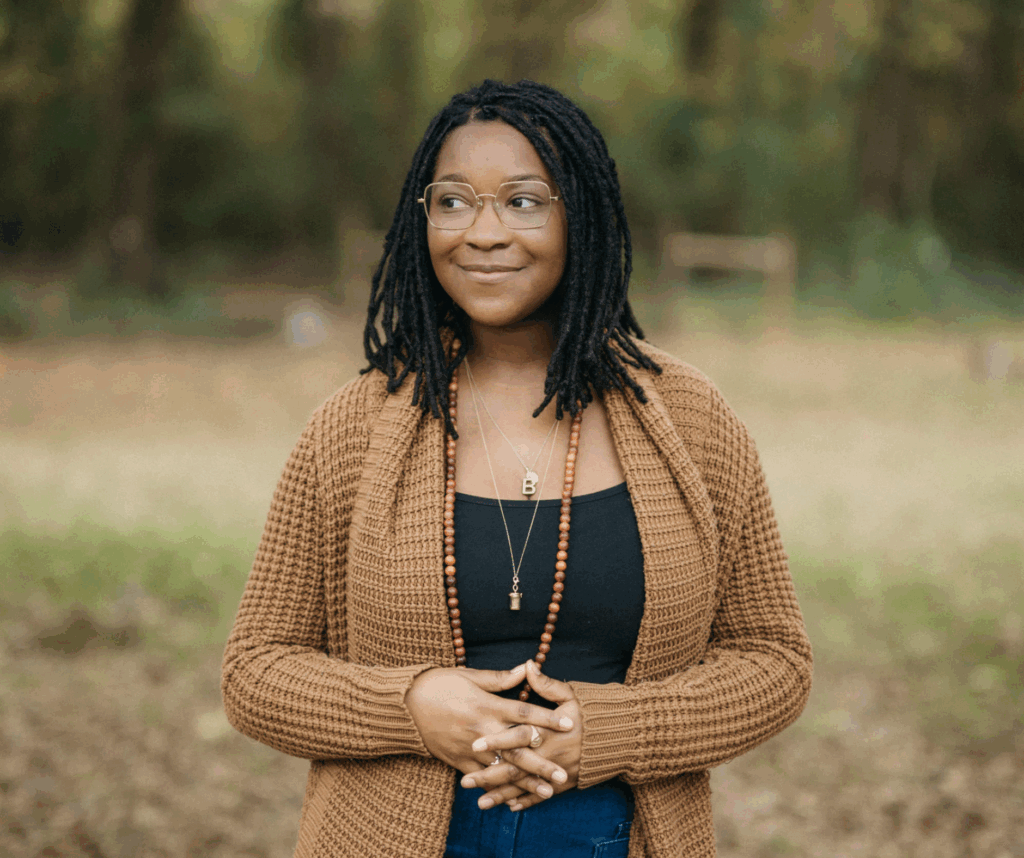
Her name kept popping up online in conversations about Black land stewardship, heirs’ property, forestry justice, and the fight to preserve rural legacies across the South. When I finally connected with Bethaney Wilkinson for Color My Outdoors’ U.S. Forest Service storytelling project on innovative forestry careers, the soil held her receipts. Bethaney carries the rare blend of historian, facilitator, strategist, and land-rooted Southerner. She’s the kind of leader who knows how to hold both the data and the memory. Policy and people. Forest and family. She grew up in a community where farmland and seasonal rhythms helped shape her earliest understanding of connection to the land. That upbringing later became the anchor for her work with Southern Black families whose stories mirror her own.
Bethaney is originally from Monticello in Jasper County, Georgia — a place where land isn’t theoretical. It’s lived. Worked. Walked. Watched over. Her family once owned and stewarded 12 acres there, raising livestock and growing crops as part of agrarian traditions that shaped her earliest understanding of land and responsibility. “My Daddy grew up in South Georgia, where they had everything from peanuts, watermelon, and hunting opportunities,” Bethaney told me. “When he and my mom moved to Monticello, they continued farming. I played by the creek, walked property lines, and helped raise our animals.” Those fluffy friends became part of her everyday education: beef cattle, goats, sheep, hogs, and chickens.
Her father fished and hunted deer, staying connected to the land in ways passed down through generations. Her mother, meanwhile, served as the creative heartbeat of the homestead, grounding their farm life in ingenuity, care, and making something meaningful from what was on hand. “She can take pretty much any material from her environment and make magic out of it,” said Bethaney. “My Momma is an incredible cook and baker, too.” Curtains, couch covers, canned goods are what her mother stitched, baked, and preserved with care. Bethaney grew up witnessing how creativity and stewardship coexist.
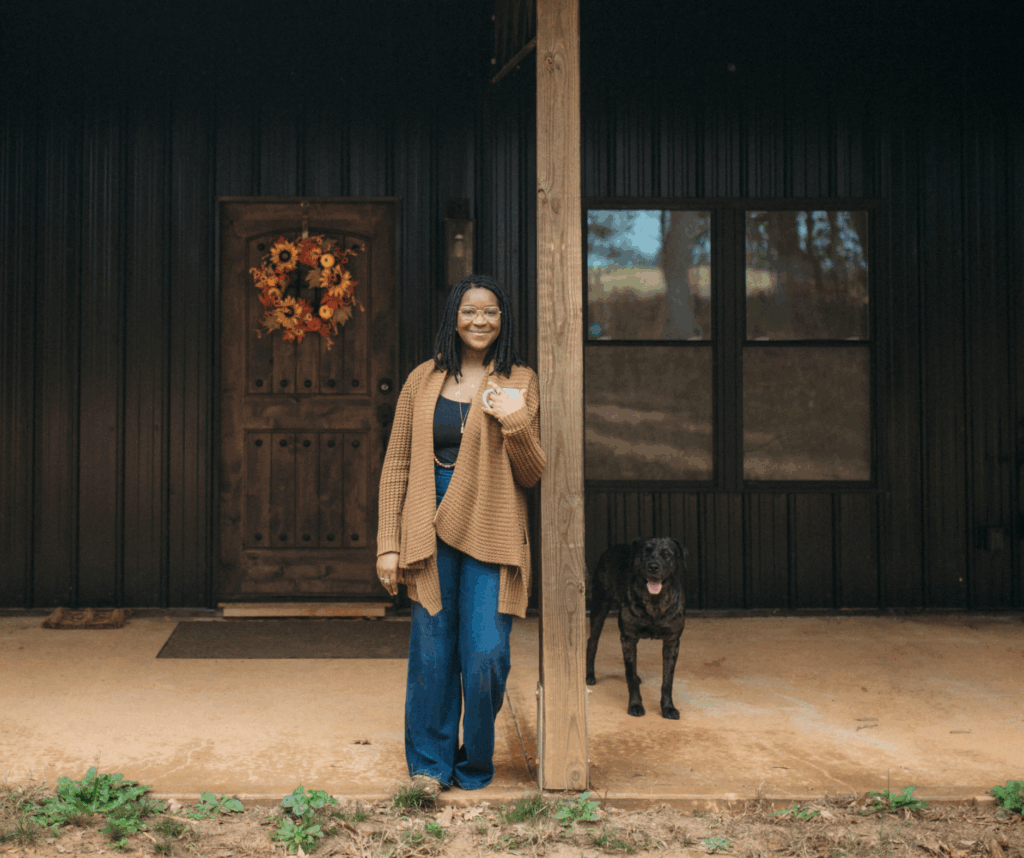
More than a decade ago, Bethaney’s family relocated to Forsyth, Georgia, where they now steward approximately 40 acres. The geography shifted but the practice of land stewardship continued. What she learned in Jasper County — about tending farmland, honoring place, and understanding its fragility — still informs how she approaches land and community today. How survival and beauty often share the same soil. That upbringing shaped the lens Bethaney now brings to her work as Executive Director of the Sustainable Forestry and African American Land Retention (SFLR) Network, which is a multistate initiative supporting Black landowners across the South. Through forestry management assistance, legal services, conservation planning, and education, SFLR works to help families retain and conserve property that has too often been lost.
Historical U.S. Census of Agriculture data and academic research show that Black farmland ownership in the United States peaked in the early 1900s at roughly 16 million acres and declined by nearly 90 percent by the late 20th century. This dramatic loss was not accidental. It occurred through a combination of systemic discrimination in lending and federal support, predatory land practices, forced partition sales tied to heirs’ property, and limited access to legal and technical assistance. In response to this long-standing inequity, SFLR launched in 2013 as a collaborative effort among federal agencies, conservation partners, community organizations, and philanthropic funders. The network helps Black landowners retain and steward family forestland; resolve heirs’ property challenges; and rebuild pathways to land-based stability and generational wealth.
Under Bethaney’s leadership, the network has been expanding visibility and sharpening its mission by guiding landowners in moves from uncertainty to agency. Families who once saw land as a liability see it as an asset worth investing in and protecting. But Bethaney is quick to point out that this work doesn’t happen in isolation. “We’ve experienced constant transitions with SFLR, so I’ve been reinforcing the importance of listening well,” she said. “A colleague once told me: ‘Don’t make decisions about them without them.’” Bethaney connects with people she considers smarter than herself: partners and collaborators who help keep the work focused and responsive. “You need good advisors to help you dial into what your North Star is and what’s most important three to six months from now,” she explained.
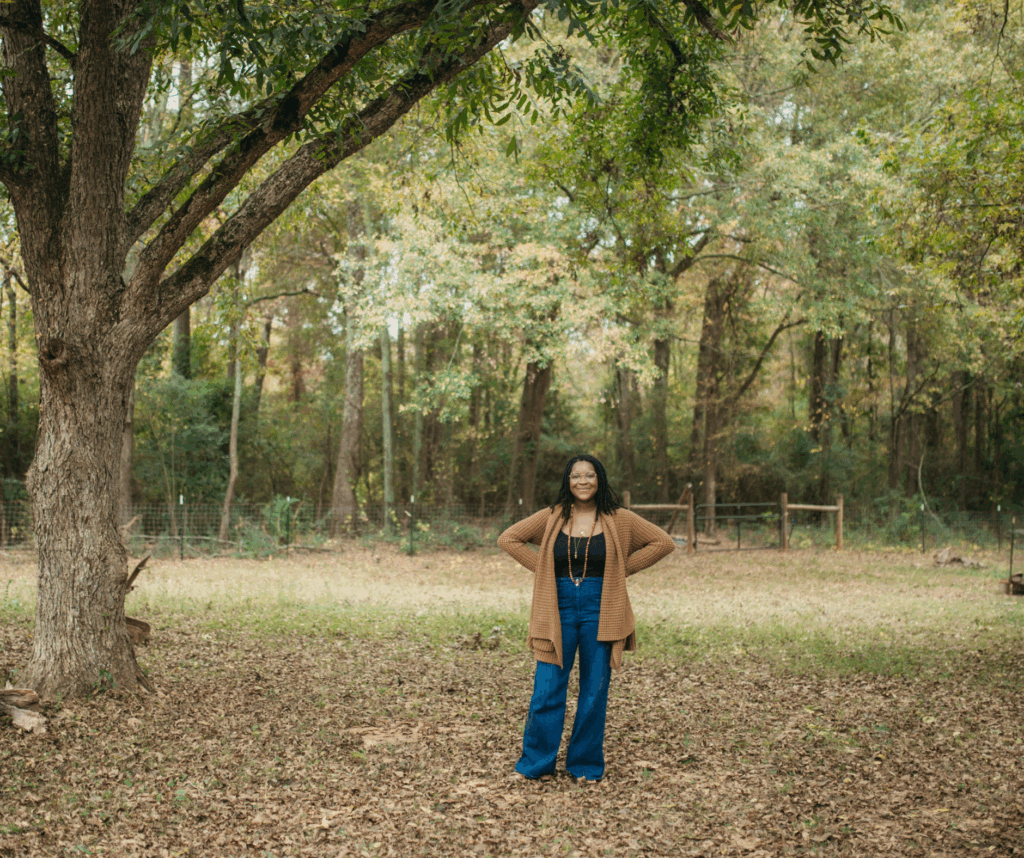
At the same time, Bethaney is intentional about staying present, even amid organizational shifts and long-term planning. “Join passionate and creative groups where you can make mental connections that spark something new,” she said. “Lean into discomfort.” SFLR continues to track critical trends impacting Black land retention, including the challenge of ensuring the next generation even wants to continue stewarding family property, and the ongoing lack of accessible information around land maintenance and financing. “There’s still a lack of knowledge in how to maintain and finance land,” Bethaney said. “The value of the land is also something you feel. It’s not just a spreadsheet.” That’s where forestry, for her, becomes deeper. “We like to get landowners in the midst of the trees and help them understand the wildlife on it,” she said. “Timber is important, but the forest has also been a place of refuge and safety for Black people. There are cultural and spiritual components.”
The network’s mission is straightforward but transformative: help Black families keep their forestland, resolve heirs’ property issues, build generational wealth, and restore stewardship practices that had been disrupted or denied. Across its regional sites in states like Alabama, Georgia, Mississippi, North Carolina, South Carolina, Texas, and Virginia, SFLR has helped hundreds of families develop forest management plans, access federal programs, and turn landownership into a source of stability rather than stress. Under Bethaney’s leadership, that work expanded and took on new visibility. She brought a storyteller’s lens to forestry, lifting up the human narratives behind policy change, conservation wins, and community resilience. She’s collaborating with residents to understand that forestry extends beyond timber markets or acres managed. Its foundation is rooted in history. It’s about sovereignty. Identity tied to land that has carried so many stories and sacrifices.
Bethaney’s Southern roots have made her role both personal and familiar. She understands what it means to grow up on American South land. Both the responsibility and fragility of it. She understands the weight that Black families carry when trying to maintain property passed down without formal wills or estate plans. And she understands the cultural memory embedded in forests that have stood through Jim Crow, migration, changing markets, and climate shifts. This perspective is exactly what Bethaney brings to Color My Outdoors’ storytelling platform about innovative forestry careers. Her needed efforts reflect the breadth of what forestry can become.
It’s not just fieldwork. Instead, facilitation, strategy, education, and storytelling. She embodies the connective tissue between land and the people responsible for carrying both forward. As someone raised among farmers, hunters, horsemen, and land stewards myself, I see Bethaney as a model for the next generation of forestry leaders. She’s someone who honors what’s been lost while fiercely protecting what remains. Her work ensures that future Black families will have more than memories of land. They’ll have dignity, ownership, and access. Bethaney is putting in the work so forests can survive and futures can take root.
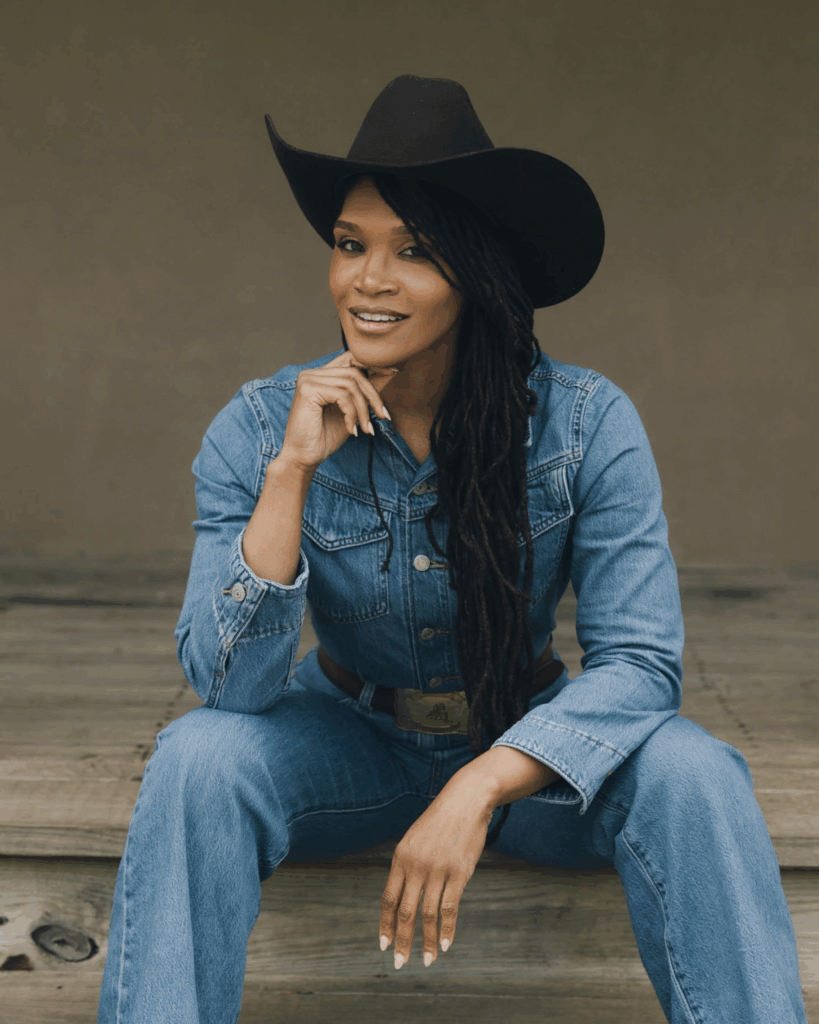
Candace Morrow, aka Cowgirl Candace, is a fourth-generation cowgirl, award-winning storyteller, and cultural strategist rooted in Georgia’s Black Belt Region. A lifelong farmer and advocate for Southern agritourism, she elevates place-based storytelling, capturing authentic voices of the American South. Her partnerships with iconic brands like Wrangler and Justin Boots amplify the often-overlooked narratives of American South heritage. With nearly two decades of experience in digital strategy and journalism, Cowgirl Candace has become a prominent steward of reimagining outdoor adventure and agricultural storytelling. Featured in Beyoncé’s “Cowboy Carter Tour Book” and Cowboys & Indians Magazine’s “21 Western Influencers,” she has demonstrated a profound commitment to documenting the nuanced experiences of rural communities.

